
Iran War
Description
The idea of an “Iran War 2026” refers to a possible or ongoing large-scale conflict involving Iran and its regional or global adversaries. While no single officially declared “Iran War 2026” exists as a named historical event (as of now), rising tensions in the Middle East, geopolitical rivalries, and military confrontations have made such a scenario widely discussed. This article explains the background, causes, possible players, consequences, and global impact of such a conflict in a clear and detailed way.

Background of the Conflict
The roots of a potential war involving Iran go back decades. Since the Iranian Revolution, Iran has maintained a tense relationship with Western countries, especially the United States. The revolution transformed Iran into an Islamic Republic and shifted its foreign policy toward resistance against Western influence.
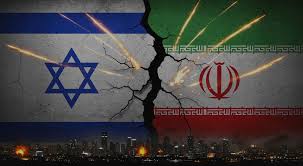
In addition, Iran has been involved in regional conflicts through alliances with groups and governments in countries like Syria, Iraq, and Lebanon. These actions have created tensions with regional rivals, particularly Israel and Saudi Arabia.
Key Causes of a Possible Iran War in 2026
1. Nuclear Program Disputes
One of the biggest reasons for conflict is Iran’s nuclear program. Western countries, especially the United States and Israel, suspect that Iran is trying to develop nuclear weapons. Iran, however, claims its program is for peaceful purposes like energy production.
The collapse or weakening of agreements like the Joint Comprehensive Plan of Action has increased mistrust and tensions.
2. Regional Power Struggle
Iran seeks to expand its influence in the Middle East, which puts it in direct competition with countries like Saudi Arabia and Israel. This power struggle plays out in proxy wars in countries such as:
- Syria
- Yemen
- Iraq
These indirect conflicts could escalate into a direct war.
3. Military Clashes and Escalations
There have been multiple incidents in recent years, including drone strikes, cyberattacks, and naval confrontations in the Persian Gulf. Any small incident—like an attack on oil facilities or military bases—could trigger a full-scale war.
4. Role of Israel
Israel considers Iran a major threat, especially due to Iran’s support for groups like Hezbollah. Israel has carried out several airstrikes targeting Iranian positions in Syria. If tensions escalate further, Israel could directly engage Iran militarily.
5. U.S. Involvement
The United States maintains military bases in the Middle East and has strong alliances with Israel and Gulf countries. If conflict breaks out, the U.S. could become directly involved, turning a regional war into a global crisis.
Possible Scenario of Iran War 2026
If a war were to happen in 2026, it could begin with a triggering event such as:
- An attack on nuclear facilities
- A missile strike on a major city
- A naval conflict in the Strait of Hormuz
Phase 1: Initial Strikes
The conflict would likely begin with airstrikes and missile attacks. Iran has a strong missile program and could target military bases and cities in the region.
Phase 2: Regional Expansion
Allied groups supported by Iran could attack targets in neighboring countries. This would spread the conflict across the Middle East.
Phase 3: Global Involvement
Major powers like the United States and possibly NATO allies could join the war. At the same time, countries like Russia or China might support Iran diplomatically or strategically.
Military Strength of Iran
Iran has one of the largest military forces in the Middle East. Its strengths include:
- Ballistic missile systems
- Drone warfare capabilities
- Naval forces in the Persian Gulf
- Proxy militias across the region
However, Iran’s air force and advanced technology are not as strong as those of the United States or Israel.
Economic Impact of the War
A war involving Iran would have a massive impact on the global economy.
1. Oil Prices
Iran is located near the Strait of Hormuz, through which a significant portion of the world’s oil supply passes. Any disruption could cause oil prices to skyrocket.
2. Global Trade
Shipping routes would be affected, leading to delays and increased costs worldwide.
3. Inflation
Higher fuel prices would increase the cost of goods and services globally, causing inflation in many countries.
Humanitarian Consequences
War always brings suffering, and a conflict involving Iran would be no different.
- Thousands of civilian casualties
- Destruction of cities and infrastructure
- Refugee crises affecting neighboring countries
- Shortages of food, water, and medical supplies
International organizations like the United Nations would likely intervene to provide aid, but the scale of the crisis could be overwhelming.
Impact on Pakistan and South Asia
For countries like Pakistan, an Iran war would have serious consequences:
- Increase in fuel prices
- Economic instability
- Security concerns near borders
- Possible refugee influx
Pakistan maintains diplomatic relations with Iran and would likely try to remain neutral while managing internal challenges.

Cyber Warfare and Modern Technology
Unlike traditional wars, a 2026 conflict would heavily involve cyber warfare. Countries could attack each other’s:
- Banking systems
- Power grids
- Communication networks
This could disrupt daily life even in countries not directly involved in the war.
Global Political Impact
An Iran war could reshape global politics:
- New alliances could form
- Existing partnerships might weaken
- Superpower rivalry between the U.S., Russia, and China could intensify
It could also affect international institutions and weaken global stability.
Can the War Be Prevented?
Yes, war is not inevitable. Diplomatic efforts can still prevent such a conflict.
Key Solutions:
- Reviving nuclear agreements
- Encouraging dialogue between Iran and its rivals
- Reducing military presence in sensitive regions
- Promoting economic cooperation
Peace talks and negotiations remain the best path forward.
Conclusion
The concept of an Iran War 2026 represents a highly dangerous and complex scenario driven by political, military, and economic tensions. While the possibility exists due to ongoing conflicts and rivalries, such a war would have devastating consequences not only for the Middle East but for the entire world.
From rising oil prices to humanitarian crises and global instability, the impact would be far-reaching. However, through diplomacy, cooperation, and careful decision-making, world leaders still have the opportunity to prevent such a conflict.
Understanding these risks helps highlight the importance of peace and the need for global efforts to avoid another large-scale war.
FAQs
1. Is Iran War 2026 officially happening?
No, it is not an officially declared war. It is a possible scenario based on rising tensions.
2. Why is Iran important globally?
Iran is strategically located and plays a key role in global oil supply and Middle Eastern politics.
3. Who could be involved in such a war?
Possible participants include Iran, the United States, Israel, and regional allies.
4. How would it affect ordinary people?
It could lead to higher prices, economic instability, and security concerns worldwide.
5. Can the conflict be avoided?
Yes, through diplomacy, negotiations, and international cooperation, war can still be prevented.